A home’s electrical panel plays an important role in distributing electricity safely to different circuits and appliances. As households add new electrical equipment, upgrade lighting or install modern appliances, the existing panel may struggle to meet changing power requirements. Knowing when to upgrade an electrical panel can help homeowners identify potential safety concerns and avoid problems caused by an outdated electrical system. Mutual Electric provides electrical services for residential properties, helping homeowners address electrical needs through appropriate inspections, repairs and upgrades.
What Does an Electrical Panel Do in a Home?
An electrical panel, also called a breaker panel or distribution board, receives electricity from the utility supply and distributes it throughout the property. It contains circuit breakers that protect individual circuits by interrupting power when an overload or short circuit occurs.
Each circuit supplies electricity to specific areas or equipment, such as kitchen appliances, lighting, outlets and heating systems. The panel also provides a central location where electrical circuits can be identified and controlled.
The capacity and condition of the panel influence how effectively a home’s electrical system handles its power demands. Older properties may have panels that were installed when household electricity requirements were considerably lower.
What Are the Signs That Your Electrical Panel Needs an Upgrade?
Recognising electrical panel warning signs can help homeowners determine when professional attention is necessary. Some problems may indicate that the panel needs an upgrade, while others may require repairs or further investigation.
Frequently Tripping Circuit Breakers
Circuit breakers are designed to trip when a circuit experiences an overload or another electrical fault. Occasional tripping can happen when several high-powered appliances operate on the same circuit.
However, breakers that trip repeatedly should not be ignored. Frequent tripping may indicate excessive electrical demand, damaged wiring or a problem with the connected equipment. An electrician can identify the cause and determine whether additional circuits or a panel upgrade are necessary.
Flickering or Dimming Lights
Lights that flicker or become noticeably dim when appliances switch on may indicate an electrical issue. Although this symptom does not automatically mean the electrical panel is outdated, it can be associated with overloaded circuits, loose connections or other wiring problems.
Homeowners should arrange an electrical inspection if flickering occurs regularly or affects multiple areas of the property.
An Outdated or Damaged Electrical Panel
Older electrical panels may not provide the capacity or safety features required by modern households. Signs of physical damage, corrosion, unusual noises or a burning smell require prompt professional attention.
A panel that feels unusually warm or produces buzzing sounds should also be evaluated. If there is smoke, sparking or a burning smell, avoid touching the equipment and seek urgent assistance from a qualified electrician.
Adding New Appliances or Electrical Equipment
Modern homes often use more electricity than older properties. Electric vehicle chargers, additional air conditioning units, electric ranges and other high-demand equipment can increase the load on an existing electrical system.
Before installing major electrical equipment, homeowners should have the panel and available circuit capacity evaluated. An upgrade may be necessary if the existing system cannot safely support the additional demand.
How Does an Electrical Panel Upgrade Improve Home Safety?
An electrical panel upgrade can address limitations in an existing electrical distribution system. Depending on the property’s requirements, an upgrade may involve replacing the panel, increasing its rated capacity, improving circuit distribution or correcting installation issues.
One important benefit is the ability to accommodate additional electrical circuits when required. This can reduce the need to overload existing circuits or rely on unsuitable electrical connections.
A properly installed panel also provides appropriate circuit protection when matched with the wiring and electrical loads it serves. However, replacing the panel alone does not automatically correct problems elsewhere in the electrical system. Wiring condition, grounding, bonding and circuit requirements should also be considered during the assessment.
When Should Homeowners Consider an Electrical Panel Upgrade?
There is no single age at which every electrical panel must be replaced. The decision depends on its condition, capacity, safety features and the electrical demands of the property.
Homeowners planning renovations should consider an electrical assessment before adding new appliances, expanding living spaces or installing additional electrical equipment. This helps determine whether the existing panel can support the proposed changes.
A panel inspection is also useful when purchasing an older home, particularly if the electrical system has not been evaluated recently. A qualified electrician can review the installation and identify any necessary repairs or upgrades.
For properties requiring additional electrical capacity, panel upgrades may be considered after evaluating the existing system and household requirements.
What Other Electrical Upgrades May Be Needed Alongside a Panel Upgrade?
An electrical panel upgrade may be part of a wider improvement project. Depending on the property’s condition, homeowners may also need changes to lighting circuits, outlets, wiring or dedicated appliance connections.
Lighting System Improvements
Older lighting systems may not meet current household preferences or energy requirements. Upgrading lighting can involve installing new fixtures, adding dedicated circuits or improving the placement of switches and controls.
For example, kitchen renovations may require additional task lighting, while outdoor areas may benefit from appropriately rated exterior fixtures. Professional lighting installation helps ensure that new fixtures and connections are suitable for their intended locations.
Electrical Wiring and Circuit Evaluation
A panel upgrade should not be considered separately from the wiring it supplies. An electrician may need to inspect existing conductors, grounding arrangements, circuit connections and other components to determine whether they are suitable for the planned installation.
If wiring problems are identified, the appropriate repairs should be completed before the electrical system is placed back into service.
Why Should You Hire a Qualified Residential Electrician?
Electrical panel work involves components that carry potentially dangerous electrical currents. Incorrect installation can create risks such as electric shock, overheating, equipment damage and electrical fires.
A qualified residential electrician can assess the property’s electrical requirements, identify existing problems and determine whether a panel replacement or another solution is appropriate.
The process generally involves evaluating the existing panel, reviewing the expected electrical load, checking circuit requirements and determining the necessary permits and inspections. The electrician can also explain the work involved and any preparation required before installation.
How Often Should an Electrical Panel Be Inspected?
Electrical panels should be inspected when warning signs appear, when significant electrical changes are planned or when concerns arise about the condition of the existing system.
There is no universal inspection interval that applies to every property. Factors such as the panel’s age, installation quality, previous electrical work and household usage can influence how frequently professional evaluation is appropriate.
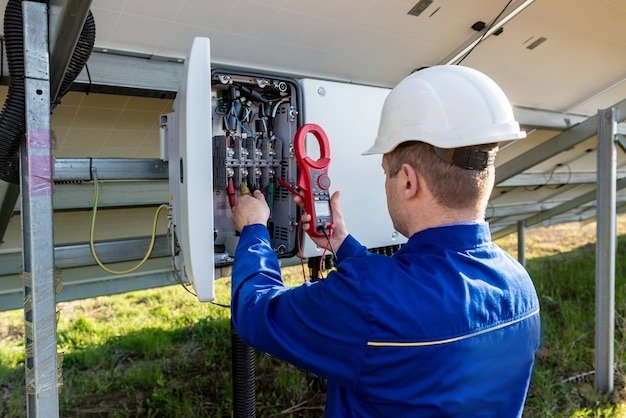
Homeowners should also avoid opening the panel or attempting to tighten connections themselves. Internal components may remain energised even when individual circuit breakers are switched off. Inspection and repairs should be handled by qualified electrical professionals.
Conclusion
An electrical panel is an essential part of a home’s electrical system, and its condition directly affects how electricity is distributed throughout the property. Frequent breaker trips, outdated equipment, physical damage and increasing power requirements are reasons to arrange a professional evaluation.
Upgrading the panel when necessary can help accommodate modern electrical demands and address limitations in an existing system. Homeowners should consider the condition of the wiring, circuit protection and overall electrical installation rather than focusing only on the panel’s age.
Mutual Electric provides residential electrical services for homeowners who need assistance with electrical improvements, inspections and upgrades. To discuss your property’s electrical requirements or learn more about available services, visit contact the team.