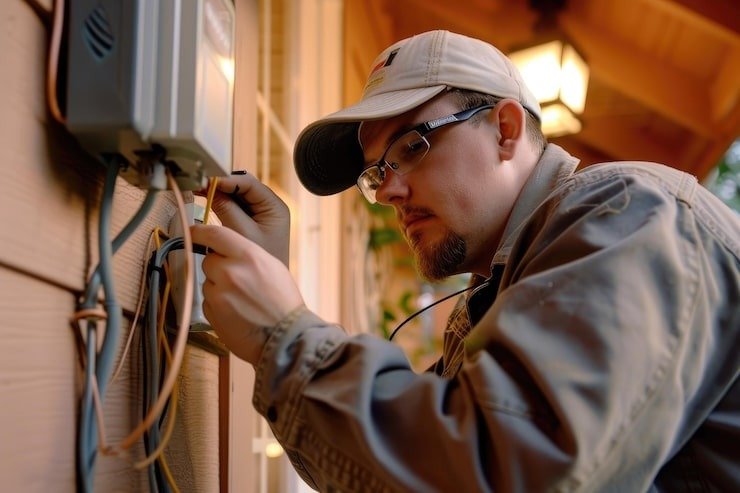
Electrical work in a home involves more than replacing a light fixture or resetting a tripped breaker. A qualified Residential Electrician can inspect electrical systems, identify potential problems, complete repairs, and help homeowners understand when an upgrade is necessary. For homeowners looking for an electrician in Puyallup WA, knowing what to expect from the service process can make electrical projects easier to plan and manage.
Mutual Electric provides electrical services for residential and other property needs. Understanding the type of work an electrician performs, how an electrical visit typically works, and what questions to ask can help homeowners make informed decisions about electrical maintenance and repairs.
What Does a Residential Electrician Do?
A residential electrician works on electrical systems and components within homes. Their work can involve installation, inspection, troubleshooting, repair, maintenance, and upgrades. Because residential electrical systems supply power to lighting, appliances, outlets, heating equipment, and other household systems, electrical problems can affect several parts of a home at once.
A Residential Electrician may work on both small repairs and larger electrical projects. The appropriate service depends on the condition of the existing system, the age of the home, the electrical load, and the specific needs of the property.
Common Residential Electrical Services
Residential electrical work can include:
- Electrical troubleshooting and repairs
- Outlet and switch installation or replacement
- Lighting installation
- Circuit and breaker-related services
- Electrical panel inspections and upgrades
- Wiring and rewiring
- Electrical safety inspections
- Electrical work for home renovations and additions
Not every electrical issue requires the same solution. For example, an outlet that stops working may have a relatively simple cause, while repeated circuit breaker trips could indicate an underlying electrical problem that needs further investigation.
What to Expect During an Electrical Service Visit
When scheduling an electrician, homeowners often want to know what will happen once the electrician arrives. Although the process varies according to the type of work required, most professional electrical appointments begin with an assessment of the issue.
The electrician may ask when the problem started, which parts of the home are affected, and whether any electrical changes have recently been made. This information can help narrow down possible causes before testing begins.
Initial Inspection and Troubleshooting
The electrician will generally inspect the relevant electrical components and determine where the problem may be occurring. Depending on the situation, this can involve checking outlets, switches, circuits, breakers, wiring, or other electrical equipment.
For troubleshooting work, the goal is not simply to restore power temporarily. Identifying the underlying cause can help reduce the likelihood of the same issue returning.
Explanation of Recommended Work
After assessing the problem, the electrician should explain what was found and what work may be required. Homeowners should have an opportunity to ask questions about the proposed repair, replacement, or upgrade.
Clear communication is particularly important when an electrical project involves multiple components or requires changes to an existing system. Understanding the reason for the work can help homeowners distinguish between an immediate repair and an optional improvement.
Signs You May Need a Residential Electrician
Some electrical problems are obvious, while others develop gradually. Homeowners should pay attention to unusual electrical behavior rather than waiting for a complete system failure.
Frequent breaker trips can indicate that a circuit is overloaded or that another electrical issue needs attention. Flickering or dimming lights may also warrant inspection, especially when the problem occurs repeatedly.
Other signs that may justify contacting an electrician include warm or discolored outlets, buzzing sounds from electrical components, persistent power interruptions, damaged wiring, and outlets that no longer function properly.
Older Homes and Electrical Systems
Older homes may have electrical systems that were designed for significantly lower power demands than modern households require. Today’s homes often use multiple appliances, computers, entertainment equipment, heating and cooling systems, and other electrical devices at the same time.
An electrician can evaluate whether the existing electrical system is appropriate for the home’s current requirements. In some situations, this may lead to recommendations for repairs, additional circuits, rewiring, or panel improvements.
Electrical Panels and Circuit Breakers
The electrical panel is a central part of a home’s electrical distribution system. It contains circuit breakers or other protective devices that help manage electrical circuits throughout the property.
When a breaker trips, it is often responding to an electrical condition such as excessive current. Occasionally resetting a breaker may restore power, but repeated trips should not simply be ignored.
A qualified electrician can investigate why a breaker continues to trip. The cause could involve an overloaded circuit, faulty equipment, wiring problems, or another issue within the electrical system.
When Is a Panel Upgrade Needed?
A panel upgrade is not automatically required because a home is older. The need depends on the condition and capacity of the existing equipment and the home’s electrical requirements.
A professional assessment can help determine whether the panel can safely support current and planned electrical loads. This is especially relevant when homeowners are adding major appliances, remodeling rooms, installing electric equipment, or making other changes that increase electrical demand.
Electrical Work During Home Renovations
Renovation projects often involve changes to electrical systems. Adding a room, remodeling a kitchen, finishing a basement, or changing the layout of a home may require new outlets, lighting, switches, circuits, or wiring.
Electrical planning is best considered alongside the rest of the renovation rather than treated as an afterthought. This can help ensure that electrical components are located where they will be useful and that the system can accommodate the intended equipment.
A Residential Electrician can assess the existing electrical infrastructure and determine what changes may be appropriate for the project.
Safety Considerations for Home Electrical Work
Electrical systems can present serious hazards when improperly handled. Homeowners may be able to perform certain basic tasks, but electrical repairs, wiring changes, and other technical work can require professional knowledge and appropriate safety procedures.
One important consideration is knowing when a problem is beyond a simple household task. Exposed wiring, repeated breaker trips, burning smells, electrical arcing, damaged panels, or signs of overheating should not be treated as routine maintenance issues.
If there is an immediate electrical hazard, homeowners should prioritize safety and avoid interacting with damaged components until the situation can be professionally assessed.
Residential vs. Commercial Electrical Services
Residential and commercial electrical work share many fundamental principles, but the requirements can differ considerably. Residential systems are generally designed around household loads and living spaces, while commercial properties may have larger electrical demands and more complex systems.
A commercial electrician Puyallup WA may work on offices, retail buildings, industrial spaces, and other commercial properties where electrical requirements can differ from those of a single-family home.
The distinction matters because the appropriate electrical service depends on the property’s use, electrical capacity, equipment, and system design. Businesses should work with an electrician experienced with the specific requirements of their commercial property.
How to Prepare for an Electrician’s Visit
Homeowners can make an electrical service appointment more efficient by gathering relevant information before the electrician arrives. If possible, note which outlets, lights, appliances, or circuits are affected and when the issue occurs.
It can also be helpful to identify whether the problem happens consistently or only when certain appliances or equipment are being used. For example, if a breaker trips whenever multiple appliances operate simultaneously, that information may help during troubleshooting.
For larger projects, homeowners should also consider their future electrical needs. Discussing planned appliances, renovations, or equipment additions during the initial assessment can provide useful context when evaluating the electrical system.
Questions to Ask Before Electrical Work Begins
Homeowners should feel comfortable asking questions before approving electrical work. The specific questions will depend on the project, but useful topics include the cause of the issue, the recommended solution, the components involved, and whether additional work may be required.
It is also reasonable to ask whether the proposed work addresses an immediate safety or operational concern or represents an optional improvement. This distinction can help homeowners prioritize electrical projects based on their actual needs.
For larger installations or upgrades, understanding the expected scope of work can also help prevent misunderstandings during the project.
Choosing an Electrician in Puyallup, WA
When looking for an electrician in Puyallup WA, homeowners should consider experience with the type of electrical work they need. A company that handles residential troubleshooting may offer different services from one focused primarily on commercial installations.
It is useful to review the electrician’s service areas, experience, licensing and insurance information where applicable, and the type of electrical projects they typically handle. Homeowners should also look for clear communication about the work being proposed.
Mutual Electric can be considered when homeowners are evaluating electrical service options for residential properties. The appropriate service should always be based on the property’s electrical needs and the nature of the issue being addressed.
Conclusion
Electrical systems are an essential part of modern homes, and understanding when professional assistance is appropriate can help homeowners address problems before they become more complicated. From troubleshooting outlets and breakers to evaluating electrical panels and supporting renovation projects, a Residential Electrician can assess the system and recommend work based on the property’s needs.
For homeowners researching electrical services in the area, Mutual Electric provides a starting point for understanding available electrical support. If you need more information about a residential electrical issue or would like to discuss a project, contact us to learn more about the appropriate service for your property.