
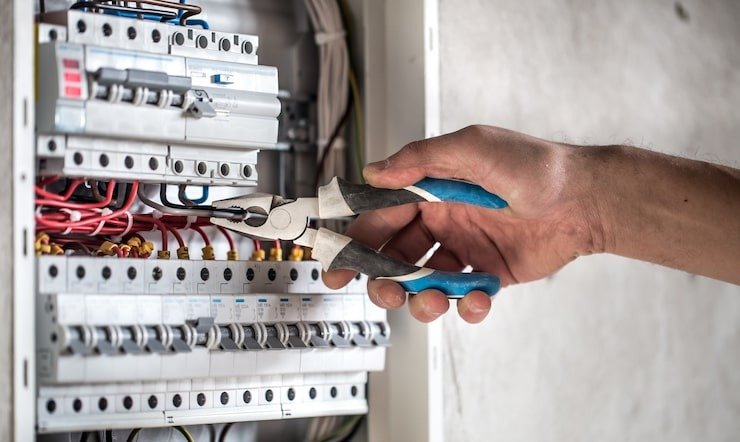
Electrical wiring is one of the most important systems in any home. As wiring ages, it may no longer meet modern electrical demands or current safety standards. A whole-house rewire replaces outdated wiring, electrical components, and related systems to improve safety, support modern appliances, and prepare a property for future electrical needs.
At Mutual Electric, homeowners receive professional electrical services designed to help maintain safe and reliable electrical systems. Whether a property requires a complete rewire, an electrical panel upgrade, or a lighting installation service, experienced electricians carefully assess each home’s condition before recommending suitable solutions. With experienced teams serving surrounding communities, including those searching for an electrician Puyallup or an electrician Auburn WA, every project is approached with careful planning and attention to safety.
Understanding what happens during a whole-house rewire project helps homeowners prepare for the process and know what to expect from beginning to end.
Why a Whole-House Rewire May Be Necessary
Many older homes were built before today’s electrical demands existed. Modern households use significantly more electricity due to computers, entertainment systems, electric vehicles, smart home devices, kitchen appliances, and heating or cooling equipment.
Over time, electrical wiring can deteriorate or become unsafe. Some common reasons homeowners may need a whole-house rewire include:
- Old or deteriorating wiring
- Frequent tripped circuit breakers
- Flickering lights
- Two-prong outlets
- Burning smells near switches or outlets
- Insufficient power for modern appliances
- Home renovations or major additions
Older wiring systems may also lack proper grounding, increasing the risk of electrical faults.
Signs Your Home May Need Rewiring
Not every electrical issue requires a complete rewire. However, certain warning signs indicate that a thorough inspection is worthwhile.
Frequently Blown Fuses or Tripped Breakers
If breakers trip regularly, your electrical system may be overloaded or have wiring problems.
Flickering or Dimming Lights
Lights that dim when appliances operate often indicate an electrical system struggling to meet power demands.
Warm Switches or Outlets
Electrical fixtures should never become excessively warm during normal operation.
Outdated Wiring Materials
Some older homes still contain wiring systems that no longer meet current electrical standards.
Lack of Sufficient Outlets
Many older homes have limited outlet capacity, leading homeowners to rely heavily on extension cords and power boards.
The Initial Electrical Inspection
Every whole-house rewire begins with a detailed electrical inspection.
During this stage, electricians examine:
- Existing wiring condition
- Circuit layout
- Electrical panel
- Switches and outlets
- Grounding system
- Safety compliance
- Overall electrical load
The inspection helps determine the scope of work and identifies whether additional improvements, such as an electrical panel upgrade, should be completed at the same time.
Planning the Rewire Project
Once the inspection is complete, the project moves into the planning phase.
A detailed plan helps minimise disruptions while ensuring the home’s electrical system meets current requirements.
Planning typically includes:
Creating New Circuit Layouts
Modern homes often require additional circuits for:
- Kitchen appliances
- Home offices
- Air conditioning systems
- Electric vehicle chargers
- Entertainment systems
- Outdoor electrical equipment
Identifying Fixture Locations
Homeowners may choose to relocate switches, outlets, or lighting fixtures during the project.
This is also an ideal time to discuss any future lighting installation service requirements, such as recessed lighting, pendant lighting, outdoor fixtures, or energy-efficient LED upgrades.
Permit Requirements
Whole-house rewiring generally requires permits and inspections to ensure compliance with local electrical codes.
Preparing Your Home Before Work Begins
Preparation helps the project proceed more efficiently.
Homeowners may need to:
- Move furniture away from walls
- Remove valuable or fragile items
- Provide clear access to electrical panels
- Protect flooring if necessary
- Plan temporary accommodation if power interruptions are extensive
While many families remain in their homes during smaller projects, larger rewires may require temporary relocation depending on the property’s condition.
What Happens During the Rewire
The actual rewiring process involves replacing old wiring with new electrical cables while ensuring every circuit meets current safety standards.
Removing Old Wiring
Where possible, outdated wiring is disconnected and removed.
In some situations, inaccessible wiring may remain safely isolated if removal would cause unnecessary structural damage.
Installing New Wiring
Electricians install new cables through walls, ceilings, floors, and roof spaces.
Care is taken to minimise disruption while maintaining proper cable routing and securing wiring according to code requirements.
Installing New Switches and Outlets
Once wiring is in place, new switches, outlets, and electrical boxes are installed.
Modern outlets often include improved safety features and additional capacity compared to older systems.
Electrical Panel Upgrade During a Rewire
Many whole-house rewires include an electrical panel upgrade.
Older electrical panels may no longer safely distribute power throughout the home or support modern electrical loads.
A panel upgrade may provide:
Increased Capacity
Modern electrical panels support today’s higher electricity usage more effectively.
Improved Safety
New panels include updated circuit breakers designed to reduce the risk of electrical faults.
Better Future Expansion
Additional capacity makes future renovations, solar installations, electric vehicle charging, or home additions easier.
Upgrading Lighting During the Project
A rewire creates an excellent opportunity to improve lighting throughout the home.
A professional lighting installation service may include:
- LED lighting upgrades
- Recessed lighting
- Under-cabinet lighting
- Outdoor security lighting
- Motion sensor lighting
- Smart lighting controls
Because walls and ceilings may already be opened during rewiring, installing new lighting often becomes more efficient than completing separate projects later.
Safety Measures Throughout the Project
Electrical safety remains the highest priority throughout the rewire.
Professional electricians follow strict procedures that include:
- Disconnecting power before work begins
- Testing circuits throughout installation
- Installing properly grounded wiring
- Following current electrical codes
- Completing final safety inspections
These measures help ensure the finished electrical system operates safely and reliably.
How Long Does a Whole-House Rewire Take
Project timelines vary depending on several factors, including:
Home Size
Larger homes naturally require more wiring and additional labor.
Accessibility
Homes with easy access to walls, ceilings, and crawl spaces often allow faster installation.
Additional Electrical Upgrades
Projects involving an electrical panel upgrade, new circuits, or extensive lighting installation service work may require additional time.
In general, many whole-house rewire projects take several days to two weeks, although complex homes may require longer.
Will There Be Damage to Walls
Some wall or ceiling access is usually necessary during rewiring.
Professional electricians work carefully to minimise unnecessary damage, and access holes are generally kept as small as practical.
Depending on the home’s construction, minor plaster or drywall repairs may be needed once electrical work is complete.
Final Testing and Inspection
Before the project is finished, every circuit undergoes comprehensive testing.
This includes verifying:
- Circuit continuity
- Proper grounding
- Breaker performance
- Outlet polarity
- Switch operation
- Lighting functionality
- Electrical panel performance
Required inspections are completed before the system is placed into normal operation.
Choosing an Experienced Electrician
Whole-house rewiring is a significant electrical project that requires careful planning and technical expertise.
When selecting an electrician, homeowners should consider:
- Experience with residential rewiring
- Proper licensing and insurance
- Knowledge of local electrical codes
- Clear communication throughout the project
- Detailed project planning
Whether searching for an electrician Puyallup or an electrician Auburn WA, working with experienced professionals helps ensure the project is completed safely and according to current standards.
Conclusion
A whole-house rewire is an important investment in the long-term safety, functionality, and reliability of a home’s electrical system. Although the process involves careful planning and temporary disruption, replacing outdated wiring provides improved electrical performance, supports modern technology, and helps meet current safety standards.
For homeowners considering a whole-house rewire, Mutual Electric provides professional electrical assessments, rewiring services, electrical panel upgrade solutions, and lighting installation service options tailored to each property’s needs. If you have questions about your home’s electrical system or would like to discuss your project, contact us to learn more about available electrical services.
Frequently Asked Questions
How do I know if my home needs a whole-house rewire?
Common signs include flickering lights, frequently tripped breakers, outdated wiring, burning smells near outlets, and insufficient electrical capacity for modern appliances. A professional inspection can determine whether a complete rewire is necessary.
Can I stay in my home during a whole-house rewire?
In many cases, homeowners can remain in the home, although power interruptions and restricted access to certain rooms should be expected. Larger or more complex projects may require temporary accommodation.
Is an electrical panel upgrade always required during rewiring?
Not always. However, if the existing panel is outdated or lacks sufficient capacity, an electrical panel upgrade is often recommended to support the new electrical system safely.
Can new lighting be installed during a whole-house rewire?
Yes. Many homeowners choose to include a lighting installation service during rewiring because electricians already have access to walls and ceilings, making installation more efficient.
How long does a whole-house rewire usually take?
The timeline depends on the home’s size, layout, accessibility, and any additional electrical upgrades. Most residential rewiring projects are completed within several days to two weeks.
Should I hire a specialist for whole-house rewiring?
Yes. Whole-house rewiring requires experienced, licensed electricians who understand current electrical codes and safety requirements. If you need more information about residential electrical services, contact us to discuss your home’s specific needs.