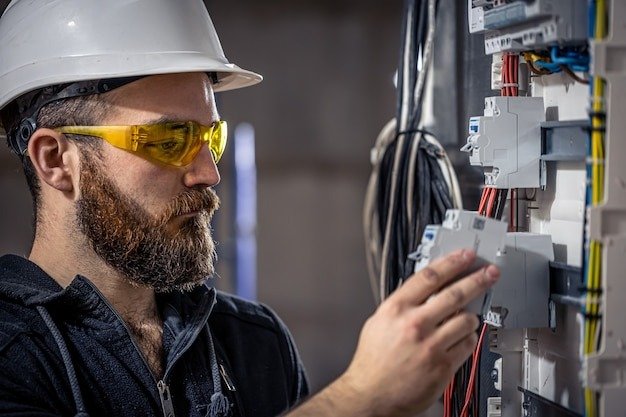
Electrical systems are an essential part of modern homes, powering lighting, appliances, heating, cooling, and other everyday equipment. Because much of the electrical system is hidden behind walls and ceilings, problems can develop without obvious warning signs.Mutual Electric provides electrical services for residential properties, helping homeowners address electrical installation, maintenance, repair, and upgrade needs. Working with a qualified residential electrician can help homeowners better understand the condition of their electrical systems and identify issues that may require attention.Regular inspections are one way to assess whether an electrical system is operating safely and whether components may need repair, replacement, or an upgrade.
Why Regular Electrical Inspections Matter
An electrical system can appear to work normally while still having underlying problems. Loose connections, aging wiring, overloaded circuits, damaged outlets, or outdated electrical components may not immediately cause noticeable issues.An inspection gives a qualified electrician an opportunity to examine accessible parts of the system and look for conditions that could create safety concerns. Identifying problems early may also help homeowners address smaller issues before they become more complicated.Electrical inspections can be particularly useful in older properties, homes that have undergone renovations, or properties where electrical usage has increased significantly over time.Electrical Systems Can Change Over Time
Homes often acquire new appliances, electronics, lighting fixtures, heating systems, and other equipment. As electrical demand changes, the original system may no longer be ideally suited to the property’s current needs.For example, a home designed decades ago may not have been equipped for the number of high-powered devices commonly used today. Regular assessment can help determine whether the electrical system remains appropriate for current household requirements.Common Electrical Problems Found During Inspections
Electrical inspections can reveal a range of conditions, depending on the property’s age, construction, previous modifications, and maintenance history.Some problems are relatively straightforward to identify, while others may require additional testing or investigation.Overloaded Circuits
An overloaded circuit occurs when electrical demand exceeds what the circuit is designed to safely handle. Frequent breaker trips can sometimes indicate that a circuit is being asked to supply too much power.Using multiple high-demand appliances on the same circuit can contribute to the problem. An electrician can evaluate the circuit arrangement and determine whether changes are appropriate.Damaged Outlets and Switches
Cracked, loose, discolored, warm, or otherwise damaged outlets and switches should not be ignored. These components are used frequently, so physical deterioration can develop over time.An inspection can help determine whether an outlet or switch needs repair or replacement and whether there is an underlying electrical issue contributing to the damage.Aging or Damaged Wiring
Electrical wiring can deteriorate because of age, physical damage, improper modifications, or other environmental factors. In some older homes, wiring may also no longer align with the electrical demands of modern households.A residential electrician can inspect accessible wiring and electrical connections to determine whether further evaluation or corrective work is necessary.Frequent Circuit Breaker Trips
A circuit breaker is designed to interrupt power when it detects certain electrical conditions. If a breaker trips repeatedly, simply resetting it without identifying the cause may not address the underlying problem.Repeated trips can be associated with overloaded circuits, short circuits, faulty appliances, or other electrical issues. Professional assessment can help determine the appropriate next step.When Should a Home Have an Electrical Inspection?
There is no single inspection schedule that applies equally to every property. The appropriate timing depends on factors such as the home’s age, electrical system, previous modifications, and current usage.Homeowners should consider an inspection when purchasing an older property, planning substantial renovations, experiencing recurring electrical problems, or making significant changes to household electrical demand.An inspection may also be appropriate after water damage, storm-related damage, or other events that could affect electrical components.Before Buying an Older Home
A home inspection may identify certain electrical concerns, but a more focused electrical assessment can provide additional information about the condition of the electrical system.This can be especially relevant when purchasing an older property or a home with a history of electrical renovations. Understanding potential electrical work before completing a purchase can help with planning and budgeting.Before or During a Major Renovation
Renovations can change how electricity is distributed throughout a home. Adding rooms, appliances, lighting, or other electrical equipment may require changes to existing circuits.Discussing electrical requirements early in the renovation process can help identify whether additional circuits, outlets, lighting, or panel capacity may be needed.Signs Your Home May Need Electrical Attention
Homeowners should pay attention to unusual electrical behavior rather than treating it as normal.Some signs that warrant professional evaluation include:- Flickering or frequently dimming lights
- Burning smells near electrical components
- Warm or discolored outlets
- Repeatedly tripping breakers
- Sparks from outlets or switches
- Buzzing or unusual electrical sounds
- Frequently using extension cords because outlets are insufficient
Understanding an Electrical Panel Upgrade
The electrical panel distributes electricity to the circuits throughout a home. If the panel is outdated, damaged, or insufficient for the property’s current electrical requirements, an electrical panel upgrade may be considered.A panel upgrade is not automatically necessary simply because a home is older. The decision should be based on the condition and capacity of the existing system, the home’s electrical requirements, and applicable electrical standards.When a Panel Upgrade May Be Considered
Several situations can lead to an evaluation of the electrical panel. A homeowner may be adding high-demand equipment, remodeling the property, expanding the home, or experiencing recurring breaker problems.Older panels may also warrant professional assessment if they show signs of deterioration or lack capacity for planned electrical changes.A qualified electrician can evaluate the existing panel and explain whether repair, replacement, or an electrical panel upgrade is appropriate.Why Panel Capacity Matters
Electrical capacity should correspond to the home’s electrical demand. Installing new equipment without considering available capacity can create problems with circuit loading and system performance.Planning electrical upgrades as part of a broader home improvement project can help ensure that new equipment and circuits are properly integrated with the existing system.Electrical Inspections and Lighting Systems
Lighting is another important part of a home’s electrical system. Changes to fixtures, switches, controls, and wiring should be approached with the same attention to electrical safety as other installations.Homeowners planning new recessed lighting, exterior fixtures, ceiling lights, or other changes may need a professional lighting installation service.Planning a Lighting Installation
Good lighting design involves more than selecting attractive fixtures. Electrical requirements, fixture location, switch placement, circuit capacity, and the intended use of each area should all be considered.For example, kitchens, bathrooms, hallways, bedrooms, garages, and outdoor areas may have different lighting requirements. A professional assessment can help determine how the proposed installation should connect to the home’s electrical system.The Role of a Residential Electrician
A residential electrician works with electrical systems in homes and can assist with various electrical requirements, including installations, repairs, inspections, troubleshooting, and upgrades.Electrical work requires an understanding of wiring systems, circuits, electrical equipment, safety requirements, and applicable codes. Attempting to diagnose or modify electrical systems without appropriate knowledge can create additional risks.For homeowners searching for an electrician in Bonney Lake, choosing a qualified professional is important when electrical work requires inspection, repair, installation, or system upgrades.What an Electrician Can Evaluate
Depending on the requested service, an electrician may assess electrical panels, outlets, switches, circuits, lighting, wiring, and other accessible components.The scope of an inspection or service depends on the property’s needs. Homeowners should explain any recurring issues, recent renovations, planned additions, or unusual electrical behavior so the electrician has relevant information before beginning the assessment.Electrical Safety During Home Improvements
Electrical considerations should be included when planning home improvements rather than addressed only after construction begins.Installing new appliances, converting rooms, finishing basements, adding outdoor features, or changing lighting layouts can all affect electrical requirements.Before beginning work, homeowners can discuss the planned changes with a qualified electrician. This can help identify whether additional circuits, outlets, lighting controls, or panel capacity may be required.How Homeowners Can Support Electrical Safety
Professional inspections and repairs are important, but everyday habits also affect electrical safety.Homeowners should avoid overloading outlets, use electrical equipment according to manufacturer instructions, replace damaged cords, and keep electrical components away from moisture where appropriate.Extension cords should not be treated as permanent substitutes for additional outlets. If a room consistently lacks convenient outlets, discussing additional electrical installation with a qualified electrician may be more appropriate.Homeowners should also avoid covering signs of electrical problems by repeatedly resetting breakers or continuing to use damaged outlets.Why Preventive Electrical Maintenance Is Worth Considering
Preventive maintenance focuses on identifying potential concerns before they become more disruptive. While an inspection cannot guarantee that an electrical problem will never occur, it can provide useful information about the condition of a home’s electrical components.For homeowners, this can make electrical planning more predictable. Instead of waiting for a significant failure, they may be able to address aging components, inadequate capacity, or other concerns as part of planned maintenance or renovation work.This approach is particularly useful for older homes and properties undergoing changes in electrical demand.Choosing the Right Time to Contact an Electrician
Electrical concerns should not always wait until the next planned home maintenance project. Warning signs such as burning odors, visible damage, sparks, or unusual heat around electrical components deserve prompt professional attention.For less urgent needs, homeowners can schedule an assessment when planning renovations, installing new lighting, adding electrical equipment, or evaluating an older electrical system.If you need to discuss an electrical inspection, repair, electrical panel upgrade, or lighting installation service, you can Contact us at Mutual Electric to determine what type of electrical service may be appropriate for your home.Frequently Asked Questions
How often should a home have an electrical inspection?
The appropriate frequency depends on the home’s age, electrical system, previous modifications, and usage. An electrician can recommend an appropriate inspection schedule based on the property’s specific circumstances.
What are the most common signs of electrical problems?
Common warning signs include flickering lights, repeated breaker trips, burning odors, damaged outlets, buzzing sounds, sparks, and unusually warm electrical components.
Does an old home always need an electrical panel upgrade?
Not necessarily. An electrical panel upgrade depends on the condition, capacity, configuration, and electrical requirements of the existing system.
Can an electrician inspect wiring inside walls?
An electrician can evaluate accessible wiring and other components, but wiring concealed inside walls may require additional methods or access depending on the situation.
When should I hire a residential electrician?
A residential electrician can be contacted for electrical inspections, repairs, installations, troubleshooting, lighting projects, and electrical upgrades that require professional expertise.
Do new lights require professional installation?
The requirements depend on the type of fixture and the existing electrical setup. A professional lighting installation service can help ensure the installation is properly connected and suited to the home’s electrical system.