Everything You Need to Know About Electrifying Your Home, Improving Energy Efficiency, and Preparing for an All-Electric Future
Home electrification is changing the way homeowners power, heat, cool, and maintain their properties. What was once considered a niche approach has become an increasingly practical solution for improving energy efficiency, lowering operating costs, increasing comfort, and preparing homes for modern technologies like electric vehicles, smart energy systems, and renewable power.
Rather than relying on multiple fuel sources, an electrified home uses electricity as its primary energy source for everyday living. Heating systems, water heaters, kitchen appliances, and even transportation are gradually shifting toward electric alternatives that offer improved efficiency and greater compatibility with evolving energy technologies.
At Mutual Electric, we’ve seen more homeowners planning electrical upgrades not because something has failed, but because they want homes that are safer, more efficient, and better prepared for the future. Whether you’re renovating an older property, building a new home, or simply exploring ways to modernize your electrical system, understanding the fundamentals of home electrification helps you make informed decisions before investing in major upgrades.
This guide explains how home electrification works, the benefits it offers, the electrical infrastructure required to support it, and the practical considerations involved in transitioning from traditional fuel-powered systems to modern electric alternatives.
Quick Answer: Home electrification is the process of replacing systems that rely on fossil fuels, such as natural gas, propane, or oil, with efficient electric alternatives powered through a home’s electrical system.
Before discussing specific technologies, it’s important to understand what home electrification actually means and why it has become one of the biggest trends in residential construction and home improvement.
What Is Home Electrification?
Home electrification is the process of converting a home’s major systems and appliances to operate primarily on electricity instead of fossil fuels such as natural gas, propane, or fuel oil.
Contrary to a common misconception, electrification is not simply adding more electrical appliances to a home.
Instead, it involves evaluating how the entire home uses energy and replacing older technologies with modern electric alternatives that often provide greater efficiency, improved performance, and better integration with today’s electrical infrastructure.
A fully electrified home may include:
- An electric heat pump instead of a gas furnace
- A heat pump water heater instead of a gas water heater
- An induction cooktop instead of a gas range
- An electric clothes dryer
- A Level 2 EV charger
- Smart energy management systems
- Solar panels and battery storage
- Modern electrical service capable of supporting these upgrades
The goal isn’t to replace functioning equipment unnecessarily. Rather, homeowners often transition to electric systems as existing equipment reaches the end of its service life or during renovations and major remodeling projects.
Home Electrification Is a Whole-Home Strategy
One of the biggest misconceptions is that home electrification happens through a single project.
In reality, it is usually completed over several years.
For example, a homeowner may first upgrade the electrical panel, then install a heat pump when the existing furnace wears out, replace the water heater a few years later, and eventually add an EV charger after purchasing an electric vehicle.
Each improvement builds on the previous one, gradually creating a more efficient and future-ready home.
Thinking about electrification as a long-term strategy rather than a one-time project often makes planning and budgeting much easier.
Why More Homeowners Are Electrifying Their Homes
Several factors have contributed to the growing interest in residential electrification.
Advances in Electric Technology
Modern electric appliances are significantly more efficient than earlier generations.
Heat pumps provide both heating and cooling, induction cooktops offer precise temperature control, and smart electrical systems allow homeowners to monitor and manage energy use more effectively.
Growing Electrical Demand
Today’s homes use considerably more electricity than they did just a few decades ago.
Modern households often include:
- Home offices
- Electric vehicle charging
- Smart home devices
- Multiple computers
- Streaming equipment
- High-efficiency HVAC systems
- Security systems
- Connected appliances
Designing electrical systems around these evolving demands has become increasingly important.
Long-Term Energy Planning
Many homeowners are thinking beyond immediate needs.
Projects such as kitchen remodels, home additions, and HVAC replacements provide opportunities to evaluate how the home’s electrical infrastructure can support future technologies rather than simply replacing equipment with similar systems.
Improved Home Performance
Electrification is also about improving how a home functions.
Depending on the systems installed, homeowners may experience:
- More consistent indoor temperatures
- Quieter equipment
- Better humidity control
- Improved indoor air quality
- Reduced maintenance requirements
- Greater compatibility with renewable energy
The specific benefits vary from one home to another, but the overall goal remains the same: creating a home that performs efficiently while adapting to changing technology.
Common Myths About Home Electrification
Because home electrification is a relatively broad topic, several misconceptions continue to circulate.
Understanding these myths helps homeowners evaluate information more accurately.
Myth: You Must Electrify Everything at Once
Most homeowners electrify gradually.
Replacing equipment as it reaches the end of its useful life often provides the most practical and cost-effective approach.
Myth: Every Home Needs an Immediate Panel Upgrade
Not necessarily.
Some homes already have sufficient electrical capacity to support additional electric equipment.
Others may benefit from a service upgrade before adding larger electrical loads.
The appropriate solution depends on a professional load calculation rather than assumptions.
Myth: Electrification Means Removing Every Gas Appliance
Electrification exists on a spectrum.
Some homeowners choose to replace only their heating system.
Others begin with an EV charger or an electric water heater.
Many households operate with a combination of gas and electric appliances for years before becoming fully electrified.
Myth: Older Homes Cannot Be Electrified
Many older homes can be successfully electrified.
However, they often require careful planning to evaluate electrical capacity, existing wiring, insulation, and overall infrastructure before major equipment is installed.
How a Fully Electrified Home Works
Although home electrification often focuses on individual products such as heat pumps or electric vehicles, the reality is that every system inside the home works together.
Instead of viewing each appliance as an independent upgrade, it’s more helpful to think of an electrified home as a connected energy system where electricity is generated, distributed, managed, and used efficiently throughout the property.
Understanding this relationship helps homeowners make smarter decisions when planning future improvements.
Electricity Enters Through a Central Distribution System
Every electrified home begins with a reliable electrical service supplied by the local utility provider.
Electricity enters the property, passes through the utility meter, and is distributed throughout the home by the electrical system.
As more electric technologies are added, the home’s electrical infrastructure becomes increasingly important because every major appliance depends on a safe and reliable power supply.
The Electrical Panel Serves as the Foundation
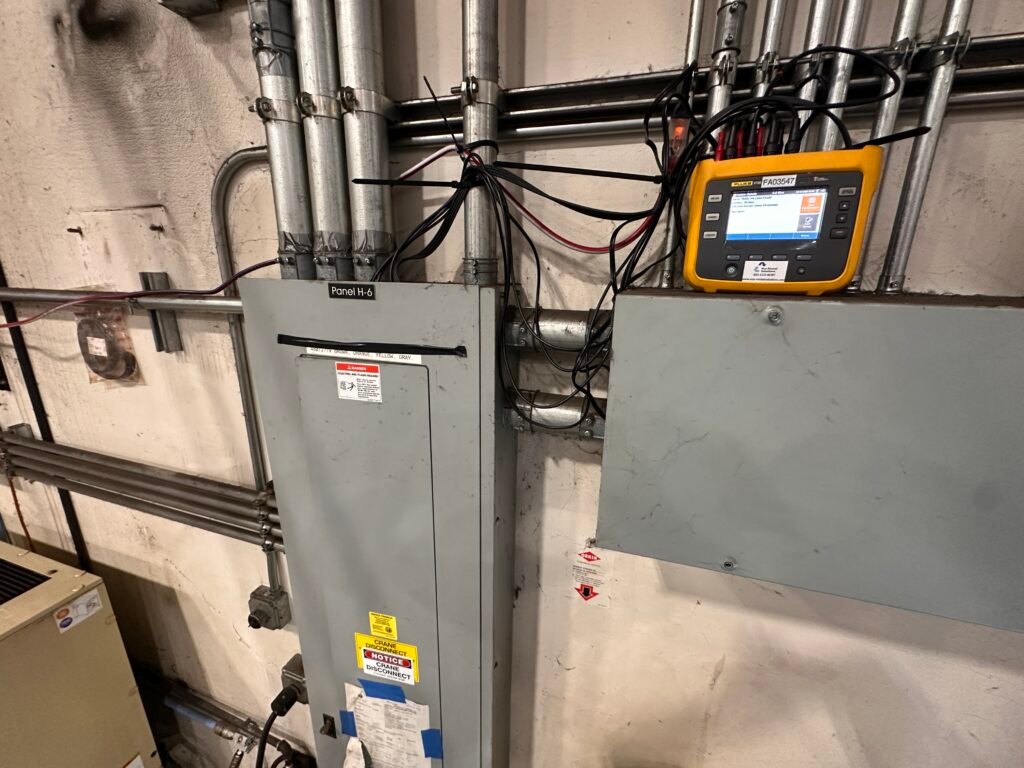
The electrical panel acts as the central distribution point for electricity throughout the home.
Whether powering lighting, heating, cooling, kitchen appliances, or vehicle charging, every electrical circuit begins here.
As homeowners adopt more electric technologies, evaluating the capacity of the existing electrical panel becomes one of the first steps in determining whether additional electrical upgrades will be necessary.
We’ll examine electrical panels, load calculations, and service capacity in much greater detail later in this guide.
Electric Appliances Work Together
Unlike traditional homes where different fuel sources operate independently, electrified homes rely on a coordinated electrical system.
Examples include:
- Heat pumps for heating and cooling
- Heat pump water heaters
- Induction cooking
- Electric dryers
- EV charging equipment
- Smart thermostats
- Energy monitoring systems
- Solar inverters
- Battery storage
Although each system performs a different function, they all contribute to the home’s overall electrical demand.
Planning these upgrades together allows electricians to design an electrical system that remains balanced, efficient, and prepared for future expansion.
Smart Energy Management Improves Efficiency
One of the biggest advantages of modern electrification is that homeowners can better understand how their homes consume energy.
Instead of simply paying an electricity bill each month, smart technologies allow homeowners to:
- Monitor energy usage
- Identify high-consumption equipment
- Schedule charging during off-peak hours
- Track electricity production from solar panels
- Prioritize essential electrical loads during outages
These capabilities help homeowners make informed decisions about both energy use and future investments.
Every Home’s Electrification Journey Looks Different
There is no single roadmap that applies to every property.
A newly constructed home may be designed as fully electric from the beginning, while an older home may transition gradually over many years.
Factors influencing the process include:
- Home age
- Existing electrical capacity
- Heating system
- Budget
- Renovation plans
- Lifestyle
- Future energy goals
This flexibility is one of the reasons home electrification has become increasingly accessible to homeowners with a wide range of budgets and long-term plans.
There is no single roadmap that applies to every property. A newly constructed home may be designed as fully electric from the beginning, while an older home may transition gradually over many years. Factors such as the home’s age, existing electrical capacity, renovation plans, and future energy goals all influence the process.
If you’re ready to begin planning, Mutual Electric serves homeowners across South King County and Pierce County, and you can explore all of the locations we serve to see whether we work in your community before starting your home electrification project.
Benefits of Home Electrification
Home electrification is often associated with replacing gas appliances, but the long-term advantages extend well beyond changing fuel sources. A thoughtfully electrified home can improve comfort, energy efficiency, resilience, and flexibility while supporting the technologies that many homeowners plan to adopt in the future.
The specific benefits vary depending on the home’s existing systems, but understanding the broader advantages helps homeowners decide which upgrades make the most sense for their property and lifestyle.
Lower Energy Consumption Through More Efficient Technologies
One of the biggest reasons homeowners choose to electrify is the availability of highly efficient electric equipment.
Many modern electric systems are designed to deliver the same or better performance while using less energy than older technologies.
Examples include:
- Heat pumps that transfer heat instead of generating it
- Heat pump water heaters that use ambient air to heat water
- Induction cooktops that transfer heat directly to cookware
- Smart thermostats that optimize heating and cooling schedules
- LED lighting systems that consume significantly less electricity than older lighting technologies
While energy savings vary based on the equipment installed and household usage patterns, replacing aging systems with modern high-efficiency alternatives can reduce unnecessary energy consumption over time.
Improved Indoor Comfort
Electrification is not only about energy efficiency; it also changes how a home feels.
Modern electric heating and cooling systems often provide:
- More consistent indoor temperatures
- Better humidity management
- Quieter operation
- More even heating and cooling throughout the home
For homeowners replacing older HVAC systems, these improvements can noticeably enhance everyday comfort.
Better Indoor Air Quality
Traditional combustion appliances release byproducts whenever fuel is burned.
Although properly installed gas appliances are designed to operate safely, many homeowners choose electric alternatives because they eliminate combustion inside the living space.
Replacing gas-powered equipment with electric systems may contribute to:
- Reduced indoor combustion byproducts
- Improved ventilation strategies
- Better compatibility with modern airtight homes
Indoor air quality depends on many factors, including ventilation, filtration, and overall home design, but electrification can support broader efforts to create healthier indoor environments.
Preparing Your Home for Future Technology
The way homes use electricity continues to evolve. Today’s homeowners increasingly plan for technologies that were uncommon only a decade ago.
These include:
- Electric vehicles
- Battery backup systems
- Smart home automation
- Solar energy
- Connected appliances
- Home energy monitoring
Electrification creates a stronger foundation for adopting these technologies without requiring major system changes every time a new electrical load is introduced.
Greater Flexibility During Renovations
Many homeowners begin thinking about electrification while remodeling.
Kitchen renovations, basement finishing projects, home additions, and HVAC replacements all provide opportunities to modernize electrical infrastructure before walls are closed and construction is complete.
Planning electrical improvements together often reduces future disruption while allowing electricians to design a system that accommodates both current and anticipated electrical demand.
Supporting Long-Term Home Value
Homebuyers are increasingly paying attention to the condition and capability of a property’s electrical system.
Features such as:
- Modern electrical service
- EV charging capability
- Energy-efficient HVAC equipment
- Smart home compatibility
- Updated electrical infrastructure
can make a home more adaptable to changing buyer expectations.
Although every real estate market is different, homes that require fewer major infrastructure upgrades may appeal to a broader range of prospective buyers.
Reducing Dependence on Multiple Fuel Sources
Many traditional homes rely on several different energy sources.
For example:
- Natural gas for heating
- Electricity for lighting
- Gas for cooking
- Gas for water heating
- Gasoline for transportation
Home electrification simplifies energy management by shifting more household systems toward electricity.
This can make future integration with renewable energy systems and battery storage more straightforward while reducing reliance on multiple utility services.
A Smarter Approach to Energy Management
Modern electrical systems provide homeowners with more information than ever before.
Instead of estimating household energy use, many smart devices allow homeowners to monitor:
- Daily electricity consumption
- Individual appliance usage
- Heating and cooling performance
- Charging schedules
- Peak demand periods
Access to this information makes it easier to identify opportunities for improved efficiency and informed long-term planning.
Is Your Home Ready for Electrification?
Not every home begins its electrification journey from the same starting point.
Some newer homes already have the electrical capacity needed to support additional equipment, while older properties may benefit from infrastructure improvements before major electric appliances are installed.
Evaluating your home’s current condition helps determine which upgrades should come first.
Start With Your Existing Electrical System
Every electrification project depends on one essential requirement: a reliable electrical system.
Before installing new equipment, electricians evaluate:
- Service capacity
- Available breaker space
- Panel condition
- Existing electrical loads
- Wiring condition
- Grounding system
These factors help determine whether the existing electrical infrastructure can safely support additional demand.
Since every home’s electrical system is different, Mutual Electric’s experienced team begins with a thorough evaluation before recommending upgrades, helping homeowners plan improvements based on their property’s current condition and future goals.
Consider the Age of Your Home
Older homes often require more planning than newer construction.
This does not mean older homes cannot be electrified.
However, electricians may evaluate additional factors such as:
- Original wiring methods
- Previous renovations
- Electrical service upgrades
- Existing insulation
- Available panel capacity
- Current code compliance
Many older homes have already undergone partial electrical modernization, while others may benefit from more comprehensive planning.
Evaluate Your Current Heating System
Heating typically represents one of the largest energy users in a home.
Before replacing an existing system, homeowners should consider:
- Current fuel type
- Equipment age
- Maintenance history
- Operating efficiency
- Remaining service life
Many homeowners transition to electric heating when existing equipment reaches the end of its expected lifespan rather than replacing functioning systems prematurely.
Review Your Major Appliances
Understanding which appliances currently use electricity and which rely on natural gas or propane helps establish a realistic electrification roadmap.
Examples include:
- Water heater
- Cooktop
- Oven
- Clothes dryer
- Furnace
- Fireplace
- Pool equipment
Each appliance replacement represents an opportunity to evaluate electric alternatives.
Think About Your Future Plans
Electrification should support where your household is heading rather than only meeting today’s needs.
Questions worth considering include:
- Do you plan to purchase an electric vehicle?
- Are you considering solar panels?
- Will you remodel your kitchen?
- Is a home addition planned?
- Could battery backup become important?
- Do you expect household electricity use to increase?
Answering these questions early allows electrical improvements to be planned more efficiently.
Don’t Overlook Your Home’s Energy Efficiency
Electrification works best when combined with overall energy efficiency improvements.
Before upgrading major electrical equipment, homeowners may also consider:
- Air sealing
- Insulation improvements
- High-performance windows
- Efficient lighting
- Smart thermostat installation
Reducing unnecessary energy loss allows many electric systems to operate more effectively.
Understand That Every Home Is Different
Two homes built in the same neighborhood can have very different electrical needs.
Factors influencing electrification planning include:
- Home size
- Occupancy
- Existing equipment
- Electrical usage
- Lifestyle
- Renovation history
Because of these differences, recommendations that work well for one property may not be appropriate for another.
Homeowners experiencing recurring breaker trips, flickering lights, or other electrical concerns before beginning an electrification project should first understand whether those issues point to underlying electrical problems. Mutual Electric’s guide to common residential electrical issues explains several warning signs that may warrant a professional evaluation before adding new electrical loads.
Home Electrification Readiness Checklist
Use the checklist below to evaluate whether your home is ready to begin the electrification process.
Electrical System
- Electrical panel has available capacity
- No recurring breaker trips
- Wiring is in good condition
- Grounding system has been evaluated
Major Equipment
- Heating system evaluated
- Water heater assessed
- Cooking appliances reviewed
- Laundry equipment considered
Future Planning
- EV ownership considered
- Solar potential evaluated
- Battery backup discussed
- Long-term renovation plans identified
A “No” to one or more items doesn’t necessarily mean your home cannot be electrified. Instead, it simply identifies areas that may benefit from professional evaluation before additional electrical equipment is installed.
Your Electrical Panel Is the Foundation of Home Electrification
Home electrification often begins with exciting upgrades like installing a heat pump, purchasing an electric vehicle, or replacing a gas range with an induction cooktop. However, before any of those improvements can be made safely, homeowners need to determine whether their existing electrical system is capable of supporting the additional demand.
For most homes, the electrical panel becomes the foundation of every successful electrification project. It determines how much electricity can be distributed throughout the home, how many circuits are available for new equipment, and whether future upgrades can be accommodated without overloading the electrical system.
Rather than viewing the electrical panel as a separate project, homeowners should think of it as the infrastructure that supports every other electrification decision.
Why the Electrical Panel Matters
Every major electric appliance added to a home increases the demand placed on the electrical system.
Examples include:
- Heat pumps
- Electric water heaters
- Induction cooktops
- Electric clothes dryers
- EV chargers
- Battery backup systems
- Home workshops
- Hot tubs
Although not every installation requires a larger electrical service, each project contributes to the home’s overall electrical load.
Without adequate capacity, homeowners may encounter:
- Limited breaker space
- Frequent breaker trips
- Difficulty adding new circuits
- Reduced flexibility for future improvements
Planning electrical capacity before purchasing new equipment helps avoid unnecessary delays and unexpected upgrade costs later.
Why Many Older Panels Become a Limitation
Homes built several decades ago were designed around very different lifestyles.
Many originally included:
- Gas furnaces
- Gas water heaters
- Basic kitchen appliances
- Minimal entertainment electronics
- No electric vehicle charging
- Limited home office equipment
Today’s households often rely on considerably more electricity throughout the day.
Even if an older panel continues operating safely, it may no longer provide enough capacity for the way the home is used today.
This is one of the reasons electricians evaluate the entire electrical system before recommending major electrification upgrades.
Panel Capacity Is About More Than Amperage
Many homeowners assume electrification simply means upgrading to a larger electrical panel.
In reality, electricians evaluate much more than the number printed on the main breaker.
A complete assessment typically considers:
- Existing electrical demand
- Available breaker spaces
- Load calculations
- Future expansion plans
- Condition of the panel
- Age of the equipment
- Existing dedicated circuits
For some homes, the existing panel may already provide sufficient capacity.
For others, upgrading the panel becomes the most practical way to support future electrical improvements.
Homeowners considering multiple electrification projects often benefit from evaluating their electrical infrastructure first. Mutual Electric’s electrical panel upgrade services explain how professional assessments help determine whether additional service capacity is needed before new equipment is installed.
Why Load Calculations Matter
A load calculation is one of the most important planning tools in home electrification.
Rather than estimating electrical demand, electricians use standardized calculation methods to determine how much electricity the home is likely to require under normal operating conditions.
These calculations consider factors such as:
- Square footage
- Heating equipment
- Water heating
- Cooking appliances
- Laundry equipment
- EV charging
- Air conditioning
- Future electrical additions
This approach ensures the electrical system is designed around actual demand rather than assumptions.
Proper planning also helps avoid unnecessary oversizing, which may increase project costs without providing additional practical benefits.
Planning for Tomorrow, Not Just Today
One of the most common mistakes homeowners make is designing an electrical system around their current lifestyle instead of their future plans.
Questions worth asking include:
- Will an electric vehicle be purchased within the next few years?
- Could solar panels be added later?
- Is a battery backup system being considered?
- Will gas appliances eventually be replaced?
- Are future renovations planned?
Considering these possibilities during the planning stage often reduces the need for repeated electrical modifications later.
Why Professional Planning Makes a Difference
Electrification involves much more than installing individual appliances.
Every upgrade affects the home’s overall electrical demand.
Because of this, electricians look at the property as a complete system rather than a collection of separate projects.
This coordinated approach helps ensure:
- Equipment operates safely.
- Electrical capacity remains adequate.
- Future upgrades are easier to accommodate.
- The home remains compliant with current electrical requirements.
Understanding these planning principles before beginning an electrification project often results in a smoother and more cost-effective transition.
For homeowners who want a deeper understanding of when additional service capacity becomes necessary, Mutual Electric’s article on electrical panel upgrades explores the factors electricians evaluate before recommending a service upgrade.
Heat Pumps Explained
Heating and cooling account for one of the largest portions of residential energy use.
For many homeowners, replacing a traditional furnace or aging HVAC system with a heat pump becomes one of the most significant steps in the electrification process.
Although heat pumps have been used for decades, improvements in efficiency and cold-weather performance have made them an increasingly popular choice for modern homes.
What Is a Heat Pump?
Despite its name, a heat pump does far more than provide heat.
It is a single system capable of both heating and cooling a home.
Instead of generating heat through combustion, a heat pump transfers heat from one location to another using refrigeration technology.
During colder months, it extracts heat from outdoor air and moves it indoors.
During warmer months, the process reverses, removing heat from inside the home and releasing it outdoors.
Because the system moves heat rather than creating it, it can operate much more efficiently than many traditional heating methods.
Types of Residential Heat Pumps
Several types of heat pumps are commonly used in residential applications.
Air-Source Heat Pumps
These are the most common systems installed in homes today. They transfer heat between indoor and outdoor air and provide both heating and cooling.
Ductless Mini-Split Systems
Mini-splits serve individual rooms or zones without requiring ductwork.
They are frequently installed in:
- Home additions
- Finished garages
- Older homes
- Bonus rooms
- Detached offices
Because each indoor unit operates independently, homeowners can customize temperatures throughout different areas of the home.
Ground-Source (Geothermal) Heat Pumps
Rather than using outdoor air, geothermal systems exchange heat with the ground below the surface. These systems can provide exceptional efficiency but generally require greater upfront investment due to underground installation requirements.
Why Heat Pumps Are Central to Home Electrification
Traditional furnaces commonly rely on natural gas, propane, or heating oil.
Heat pumps replace combustion with electricity, allowing homeowners to shift one of the home’s largest energy users toward an all-electric system.
For many households, this single upgrade represents one of the biggest steps toward complete home electrification.
Are Heat Pumps Effective in Cold Weather?
This is one of the most common questions homeowners ask.
Earlier generations of heat pumps sometimes struggled in colder climates.
Today’s cold-climate models are significantly different.
Modern systems are engineered to continue operating efficiently at temperatures well below freezing. While performance varies between manufacturers and system designs, advances in compressor technology and refrigerants have greatly expanded where heat pumps can be used successfully.
Benefits of Installing a Heat Pump
Depending on the home and existing equipment, homeowners may experience benefits such as:
- Heating and cooling from one system
- Improved energy efficiency
- Better humidity control
- Consistent indoor temperatures
- Quieter operation
- Reduced reliance on fossil fuels
- Compatibility with renewable energy
Because every home is different, selecting the appropriate heat pump requires evaluating factors such as insulation, ductwork, climate, and overall heating requirements.
Electrical Considerations Before Installing a Heat Pump
Although heat pumps are highly efficient, they still require adequate electrical infrastructure.
Before installation, electricians often evaluate:
- Available panel capacity
- Dedicated circuit requirements
- Existing electrical service
- Disconnect locations
- Wiring requirements
Addressing these considerations early helps ensure the installation proceeds smoothly and supports reliable long-term operation.
Heat Pumps Work Best as Part of a Larger Plan
A heat pump is one of the most valuable upgrades in an electrification project, but it delivers the greatest long-term benefits when combined with other improvements such as:
- Electrical planning
- Improved insulation
- Smart thermostats
- Efficient water heating
- Future EV charging
- Renewable energy integration
Looking at the home as a complete system allows each upgrade to complement the next rather than functioning as isolated improvements.
Electrifying Your Water Heating
Water heating is one of the largest contributors to household energy use, often accounting for a significant portion of monthly utility consumption. Because of this, replacing an aging gas or propane water heater with an efficient electric alternative is frequently one of the most impactful steps in a home electrification plan.
Many homeowners don’t think about their water heater until it stops working. However, planning for an electric replacement before the existing unit reaches the end of its service life allows more time to evaluate electrical capacity, installation requirements, and long-term operating costs.
Understanding Your Water Heating Options
Today’s homeowners have several electric water heating solutions to choose from, each designed to meet different household needs.
The most common options include:
- Conventional electric storage water heaters
- Heat pump water heaters
- Electric tankless water heaters
The right choice depends on factors such as household size, hot water demand, available installation space, and overall energy goals.
Conventional Electric Storage Water Heaters
Conventional electric storage water heaters operate much like traditional gas storage tanks.
Water is heated inside an insulated tank and stored until needed.
Advantages include:
- Familiar technology
- Straightforward installation
- Reliable hot water delivery
- Lower upfront equipment costs
However, because the system continually maintains water temperature, energy is consumed even when hot water isn’t being used.
Heat Pump Water Heaters
Heat pump water heaters work differently.
Instead of generating heat directly, they extract heat from the surrounding air and transfer it into the water stored inside the tank.
This process allows them to produce hot water using significantly less electricity than traditional electric resistance models.
Many homeowners choose heat pump water heaters because they offer:
- Improved energy efficiency
- Lower operating costs
- Reduced household electricity consumption
- Compatibility with all-electric homes
These units generally require adequate airflow and installation space to operate efficiently, making proper planning an important part of the decision.
Electric Tankless Water Heaters
Tankless water heaters heat water only when a fixture is in use.
Because there is no storage tank, standby energy losses are reduced.
They can be an excellent solution for some households but often require substantial electrical capacity due to their high instantaneous power demand.
Before selecting an electric tankless system, homeowners should confirm that their electrical infrastructure can safely support the required load.
Choosing the Right Water Heater
There is no universal solution for every home.
When recommending a water heating system, electricians and contractors typically consider:
- Household size
- Number of bathrooms
- Peak hot water demand
- Existing electrical service
- Available installation space
- Long-term energy goals
Evaluating these factors together helps ensure the new system performs efficiently without placing unnecessary demand on the home’s electrical infrastructure.
Electrifying Your Kitchen
The kitchen is another area where homeowners often begin transitioning away from fossil fuels.
Cooking appliances have evolved significantly over the past decade, and modern electric options now provide performance that rivals or exceeds many traditional gas appliances.
For homeowners remodeling a kitchen, electrification presents an opportunity to improve efficiency while preparing the home for future energy technologies.
Electric vs. Gas Cooking
Both electric and gas cooking systems have advantages.
Gas appliances provide an open flame and immediate visual feedback.
Electric appliances rely on heating elements or magnetic induction to transfer heat to cookware.
The best choice depends on cooking preferences, existing utility infrastructure, and long-term electrification goals.
Why Induction Cooking Has Gained Popularity
Among electric cooking technologies, induction has experienced the fastest growth.
Unlike traditional electric cooktops, induction transfers energy directly into compatible cookware using magnetic fields.
This approach offers several practical benefits.
Faster Heating
Induction systems can bring water to a boil quickly because energy is transferred directly into the cookware instead of first heating the cooking surface.
Better Temperature Control
Many homeowners appreciate the precise temperature adjustments available with induction cooking.
This makes simmering, melting, and delicate cooking tasks easier to manage.
Improved Safety
Because the cooktop itself does not become the primary heat source, surrounding surfaces generally cool more quickly after cookware is removed.
While caution is always necessary around hot cookware, this design may reduce the likelihood of accidental contact with a hot cooking surface.
Easier Cleaning
The smooth cooking surface is typically easier to wipe clean because spilled food is less likely to bake onto the cooktop.
Electrical Planning for Kitchen Upgrades
Kitchen remodels often involve more than replacing a range.
Homeowners may also install:
- Built-in ovens
- Microwave drawers
- Beverage refrigerators
- Additional countertop appliances
- Under-cabinet lighting
- Smart appliances
Planning these improvements together allows electricians to design dedicated circuits where needed and prepare the kitchen for future electrical demand.
Kitchen renovations also provide an ideal opportunity to upgrade lighting installation throughout the space, improving both functionality and energy efficiency while coordinating all electrical work during the same project.
Electrifying Your Laundry Room
Laundry appliances may not receive as much attention as heating systems or kitchens, but they still represent an important part of an all-electric home.
Many households already use electric washing machines, making the clothes dryer one of the final appliances considered during electrification.
Conventional Electric Dryers
Traditional electric dryers remain one of the most common residential laundry appliances.
They use electric resistance heating elements to generate warm air that removes moisture from clothing.
Advantages include:
- Familiar operation
- Wide product availability
- Short drying times
- Straightforward installation in many homes
Heat Pump Dryers
Heat pump dryers use a different approach.
Rather than venting heated air outdoors, they continuously recycle warm air through a highly efficient heat exchange system.
Potential benefits include:
- Lower energy consumption
- Reduced operating costs
- No traditional venting in many models
- Gentler drying temperatures
Although drying cycles may be longer than conventional electric dryers, many homeowners appreciate the efficiency gains.
Planning Laundry Room Upgrades
Laundry room electrification often extends beyond replacing a single appliance.
Homeowners renovating these spaces sometimes include:
- Additional receptacles
- Improved task lighting
- Utility sinks
- Smart leak detection
- Dedicated appliance circuits
- Storage improvements
Considering these upgrades together allows the electrical system to be designed around both current and future household needs.
Whether you’re upgrading a laundry room, remodeling a kitchen, or planning a complete home electrification project, coordinating improvements through a comprehensive range of electrical services helps ensure every part of the home’s electrical system works together safely and efficiently.
Small Appliance Changes Can Support Bigger Electrification Goals
One of the biggest misconceptions about home electrification is that meaningful progress only comes from large-scale projects.
In reality, replacing appliances over time often creates a smoother and more manageable transition.
A homeowner might begin by installing an electric dryer, later replace a gas water heater with a heat pump model, and eventually remodel the kitchen with induction cooking appliances.
Each upgrade contributes to a home that relies more heavily on efficient electric technologies while allowing electrical improvements to be planned in logical stages rather than all at once.
Home EV Charging: One of the Biggest Reasons Homeowners Electrify
For many households, purchasing an electric vehicle becomes the moment home electrification shifts from a future consideration to an immediate priority. Charging an EV at home offers greater convenience than relying solely on public charging stations and allows homeowners to integrate transportation into their overall household energy strategy.
However, installing a home charger involves more than simply mounting equipment on a garage wall. It requires evaluating the home’s electrical capacity, available circuits, charging habits, and long-term plans to ensure the system can safely support additional demand.
As electric vehicles continue becoming more common, home charging is quickly becoming one of the defining features of a modern, electrified home.
Why Home Charging Matters
While public charging infrastructure continues to expand, most EV owners complete the majority of their charging at home.
Charging overnight provides several practical advantages:
- Start each day with a fully charged battery.
- Reduce dependence on public charging stations.
- Charge during off-peak utility hours where available.
- Improve daily convenience.
- Better integrate charging with future solar or battery systems.
Rather than changing daily routines, home charging allows the vehicle to recharge while the homeowner sleeps or goes about normal household activities.
Understanding EV Charging Levels
Homeowners often encounter three different charging levels. Understanding the differences helps determine which option best matches daily driving needs.
Level 1 Charging
Level 1 charging uses a standard household receptacle.
Advantages include:
- No dedicated charging equipment required
- Minimal upfront investment
- Suitable for drivers with relatively short daily commutes
However, charging speeds are considerably slower than dedicated charging equipment.
Level 2 Charging
Level 2 charging uses dedicated 240-volt electrical circuits and significantly increases charging speed.
Benefits include:
- Faster charging
- Greater convenience
- Better support for larger EV batteries
- More practical for daily household use
Because Level 2 chargers require dedicated electrical circuits, electricians evaluate available panel capacity before installation.
Homeowners considering an electric vehicle can learn more about home EV charger installation, including electrical requirements and planning considerations, before adding charging equipment to their property.
DC Fast Charging
Direct Current (DC) fast charging is primarily found at commercial charging stations rather than private residences.
These systems deliver substantially higher charging speeds but require electrical infrastructure that exceeds the needs of most homes.
For residential electrification, Level 2 charging remains the preferred long-term solution.
Planning for Future EV Ownership
Even homeowners who do not currently own an electric vehicle often consider future charging requirements during renovation projects.
Examples include:
- Building a new garage
- Upgrading an electrical panel
- Finishing a basement
- Remodeling an attached garage
- Installing a new driveway
Preparing the electrical system during these projects can reduce future installation costs and minimize disruption when an EV is eventually purchased.
How EV Charging Fits into a Fully Electrified Home
An EV charger is not an isolated appliance.
It becomes another major electrical load operating alongside:
- Heating and cooling
- Water heating
- Cooking appliances
- Laundry equipment
- Lighting
- Home office equipment
When viewed as part of the home’s complete electrical system, charging schedules and electrical capacity can be managed more effectively.
This integrated approach becomes even more valuable as additional technologies such as solar power and battery storage are introduced.
Smart Home Energy Management
Electrification is about more than replacing appliances. It also changes how homeowners interact with their electrical systems.
Modern homes can now monitor, automate, and optimize energy usage in ways that were impossible only a few years ago.
Smart energy management helps homeowners understand where electricity is being used, identify opportunities for greater efficiency, and coordinate multiple electrical systems more effectively.
What is Smart Energy Management?
Smart energy management refers to technologies that monitor and control household electricity use.
Rather than simply measuring total monthly consumption, these systems provide insight into how individual appliances and circuits use electricity throughout the day.
Examples include:
- Smart electrical panels
- Energy monitoring systems
- Smart thermostats
- Smart breakers
- Connected appliances
- Mobile energy management applications
Together, these technologies provide a more complete picture of household energy usage.
Monitoring Energy Consumption
One of the biggest advantages of smart systems is visibility.
Homeowners can identify:
- Which appliances consume the most electricity
- Peak usage periods
- Daily consumption trends
- Opportunities to reduce unnecessary energy use
This information supports better planning rather than relying on estimates.
Load Management
As homes become increasingly electrified, multiple high-demand appliances may operate simultaneously.
Examples include:
- EV charging
- Heat pumps
- Electric ovens
- Water heaters
- Dryers
Smart load management systems help coordinate these electrical demands without exceeding available service capacity.
Some systems automatically delay or reduce certain loads during periods of high electrical demand.
Remote Monitoring and Control
Many smart systems allow homeowners to access electrical information through smartphone applications.
Depending on the equipment installed, users may be able to:
- Monitor electrical usage remotely.
- Adjust charging schedules.
- Review historical energy data.
- Receive maintenance notifications.
- Track equipment performance.
These capabilities provide greater awareness while helping homeowners make informed decisions about future upgrades.
Preparing for Solar and Battery Storage
Smart energy management also supports future technologies.
As homeowners consider adding:
- Solar panels
- Battery backup
- Electric vehicles
smart monitoring systems help coordinate how electricity is produced, stored, and consumed throughout the home.
Instead of operating independently, these technologies become part of a connected electrical ecosystem.
Why Planning Matters More Than Individual Products
Home electrification works best when major electrical upgrades are planned together rather than one project at a time.
For example, a homeowner installing an EV charger today may decide to add solar panels in a few years and battery storage later. Thinking about those future plans early helps electricians recommend electrical infrastructure that supports long-term expansion rather than only immediate needs.
The same planning principles apply to larger electrical projects as well. Mutual Electric’s guide to commercial electrical services explains how electricians evaluate electrical demand, future growth, and system capacity when designing reliable electrical infrastructure.
Smart Homes Continue to Evolve
The definition of a smart home continues to expand.
Today’s connected homes may include:
- Voice-controlled lighting
- Smart thermostats
- Automated blinds
- Energy monitoring
- Security systems
- Battery storage
- EV charging
- Renewable energy integration
While not every homeowner adopts every technology, designing an electrical system with flexibility allows future upgrades to be incorporated more easily.
Electrification Is About Building a Connected Energy System
Perhaps the biggest shift in residential electrification is moving away from thinking about individual appliances.
Instead, homeowners are beginning to view the property as one connected energy system where:
- Electricity enters the home.
- It is distributed safely.
- Energy is monitored intelligently.
- High-demand appliances are coordinated efficiently.
- Renewable energy can be integrated over time.
This broader perspective helps homeowners prioritize improvements that deliver lasting value rather than short-term convenience.
Solar Power and Battery Storage
One of the biggest advantages of home electrification is that electricity can be generated, stored, and managed in ways that were not possible with traditional fuel-powered homes. While many homeowners begin electrification by upgrading appliances or installing an EV charger, solar panels and battery storage often become the next step in creating a more energy-efficient and resilient home.
Although solar power is not required for home electrification, the two technologies complement one another. An all-electric home can make better use of renewable electricity, while solar generation helps offset the increased electrical demand created by electric appliances and equipment.
How Residential Solar Power Works
Residential solar systems use photovoltaic (PV) panels to convert sunlight into electricity.
That electricity can be:
- Used immediately by the home
- Exported to the electrical grid, where permitted
- Stored in a battery system for later use
Rather than producing constant power throughout the day, solar output changes based on:
- Sunlight availability
- Weather conditions
- Roof orientation
- Seasonal changes
- Panel size
Because production varies, most homes remain connected to the utility grid even after installing solar panels.
Benefits of Solar Power in an Electrified Home
As more household systems transition to electricity, solar energy becomes increasingly valuable.
Potential benefits include:
- Offsetting household electricity consumption
- Supporting EV charging
- Reducing dependence on grid electricity
- Complementing heat pumps and electric water heaters
- Improving long-term energy resilience
The exact savings vary depending on household energy use, local utility rates, and system design, but generating a portion of your own electricity can help reduce overall energy costs over time.
Is Every Home Suitable for Solar?
Not every property is an ideal candidate for rooftop solar.
Before recommending a system, installers typically evaluate:
- Roof orientation
- Available roof space
- Structural condition
- Shade from nearby trees or buildings
- Local climate
- Household energy usage
Even homes that are not currently ideal for solar can still benefit from preparing their electrical infrastructure for future installation.
Battery Storage: Using Electricity When You Need It Most
Battery storage allows homeowners to save electricity for later use rather than consuming it immediately.
Depending on the system configuration, stored electricity may come from:
- Solar panels
- The electrical grid
- Both sources
Instead of sending all excess solar production back to the grid, battery systems store that energy for use during the evening, periods of high electricity demand, or power outages.
Why Battery Storage Is Becoming More Popular
Battery technology has advanced significantly over the past decade.
Homeowners are increasingly interested in battery systems because they can provide:
- Backup power during outages
- Greater energy independence
- Better use of solar-generated electricity
- Support for critical household circuits
- Improved flexibility during peak electricity demand
Although batteries represent an additional investment, they are becoming an increasingly common part of long-term home electrification planning.
Essential Loads vs Whole-Home Backup
Not every battery system powers an entire home during an outage.
Many homeowners choose to prioritize essential circuits, such as:
- Refrigerators
- Internet equipment
- Medical devices
- Selected lighting circuits
- Garage door openers
- Home office equipment
Larger battery systems may support additional appliances, but available runtime depends on battery capacity and household energy use.
Planning for Future Battery Installation
Some homeowners choose to install battery storage immediately.
Others prepare their electrical infrastructure so batteries can be added later without significant modifications.
Thinking ahead during panel upgrades and other electrical projects often simplifies future installation.
Backup Power Options
Power outages can occur unexpectedly due to severe weather, equipment failures, or utility maintenance. As homes become more dependent on electricity, maintaining access to essential power becomes increasingly important.
Fortunately, homeowners have several backup power options depending on their priorities, budget, and expected outage duration.
Portable Generators
Portable generators remain a common backup solution for temporary power.
Advantages include:
- Lower upfront investment
- Mobility
- Flexible use during emergencies
However, portable generators require manual setup, proper fuel storage, and safe operation to reduce carbon monoxide risks.
They should never be operated inside enclosed spaces.
Standby Generators
Unlike portable units, standby generators are permanently installed and connected to the home’s electrical system.
When utility power is interrupted, the generator automatically starts and supplies electricity to selected circuits or the entire home, depending on system design.
Benefits include:
- Automatic operation
- Greater convenience
- Longer operating capability
- Permanent installation
These systems are often chosen by homeowners who experience frequent outages or rely on continuous electrical service.
Battery Backup Systems
Battery storage provides another form of backup power without requiring fuel combustion.
Advantages include:
- Quiet operation
- No fuel storage
- Integration with solar systems
- Minimal routine maintenance
Depending on battery capacity, these systems may power essential household loads until utility service is restored.
Choosing the Right Backup Solution
Every household has different priorities.
Questions to consider include:
- How often do outages occur?
- Which appliances must remain operational?
- Is renewable energy planned?
- How long should backup power last?
- Is automatic operation important?
Answering these questions helps determine which backup solution best aligns with the home’s long-term electrification goals.
For homeowners throughout communities such as Tacoma, backup power planning often begins with evaluating the home’s existing electrical infrastructure before selecting generators or battery systems.
Understanding the Cost of Home Electrification
One of the most common misconceptions about home electrification is that every upgrade must happen immediately.
In reality, most homeowners transition gradually over several years.
Approaching electrification as a long-term investment often makes budgeting more manageable while allowing equipment to be replaced as it reaches the end of its service life.
What Influences Overall Cost?
The total cost of electrifying a home depends on several factors, including:
- Existing electrical infrastructure
- Home size
- Current appliances
- Heating system
- Electrical panel capacity
- Planned renovations
- Local permit requirements
- Equipment selection
No two homes follow exactly the same electrification path, which is why professional planning is an important first step.
Prioritizing Upgrades
Rather than replacing every appliance at once, many homeowners prioritize projects based on:
- Equipment age
- Safety
- Energy efficiency
- Maintenance costs
- Renovation schedules
- Budget
This phased approach allows electrification to occur naturally without replacing equipment that still performs well.
Looking Beyond Initial Installation Costs
When evaluating electrification, it’s important to consider more than the purchase price of new equipment.
Homeowners should also think about:
- Expected equipment lifespan
- Operating efficiency
- Maintenance requirements
- Future compatibility
- Potential energy savings
Looking at the complete lifecycle of an electrical system often provides a more accurate picture of long-term value.
Choosing Qualified Professionals
Home electrification often combines multiple systems that must work together safely.
Selecting experienced professionals helps ensure electrical upgrades are planned correctly, installed according to applicable codes, and designed to support future expansion rather than only today’s needs.
Homeowners comparing contractors can benefit from understanding how to find a qualified electrician they can trust before beginning a major electrification project.
Home Electrification Is a Long-Term Investment
Every home begins the electrification journey from a different starting point. Some homeowners begin with a heat pump or water heater. Others prioritize EV charging, solar energy, or electrical panel improvements.
The most successful projects are rarely the ones completed the fastest. Instead, they are carefully planned so each upgrade supports the next, creating an electrical system that remains efficient, reliable, and adaptable as household needs continue to evolve.
Common Challenges Homeowners Face During Home Electrification
Although home electrification offers numerous long-term benefits, every project comes with its own set of challenges. Understanding these obstacles before beginning allows homeowners to plan more effectively, avoid unnecessary expenses, and complete upgrades in a logical sequence.
Fortunately, most challenges can be addressed with proper planning rather than major changes to the home’s overall electrification goals.
Older Electrical Infrastructure
Many homes built several decades ago were never designed to support today’s electrical demands.
Older properties may require:
- Additional circuit capacity
- Electrical panel improvements
- Updated wiring
- Grounding upgrades
- Dedicated appliance circuits
This does not necessarily mean electrification is difficult. It simply means the home’s existing infrastructure should be evaluated before major electrical equipment is installed.
Budget Considerations
One of the biggest misconceptions is that every appliance must be replaced immediately.
In reality, most successful electrification projects happen gradually.
Many homeowners choose to:
- Replace equipment as it reaches the end of its service life.
- Coordinate upgrades with planned renovations.
- Prioritize projects that provide the greatest long-term benefit.
- Spread investments over several years.
A phased approach often produces better long-term results than attempting to complete every project at once.
Balancing Current and Future Needs
Another challenge involves determining how much to prepare for future technologies.
Questions homeowners commonly ask include:
- Should I upgrade the panel now?
- What if I buy an EV later?
- Should I prepare for solar even if I’m not installing it today?
- Is battery storage worth planning for now?
While every situation is different, considering future plans during today’s electrical projects often reduces unnecessary work later.
Finding the Right Professionals
Home electrification combines multiple systems that need to work together safely.
Electricians, HVAC contractors, solar installers, and other specialists may all contribute to different phases of the project.
Choosing experienced professionals who understand long-term electrical planning helps ensure each improvement supports future upgrades rather than creating new limitations.
Common Home Electrification Mistakes
Many homeowners focus on selecting new equipment but overlook the planning decisions that determine how well those upgrades perform over time.
Avoiding the following mistakes can make the electrification process smoother and more cost-effective.
Replacing Equipment Without a Long-Term Plan
Installing individual appliances without considering future electrical demand may lead to unnecessary modifications later.
For example:
- Installing an EV charger before evaluating panel capacity.
- Remodeling a kitchen without considering future induction cooking.
- Replacing HVAC equipment without discussing long-term electrification goals.
Looking at the home as a complete electrical system helps prevent these situations.
Assuming Every Home Needs the Same Solution
No two homes use electricity in exactly the same way.
Factors such as:
- Household size
- Existing appliances
- Daily energy usage
- Climate
- Future renovation plans
all influence the most appropriate electrification strategy.
Recommendations should always reflect the home’s individual needs rather than a one-size-fits-all approach.
Waiting Until Equipment Fails
Many homeowners postpone planning until a furnace, water heater, or electrical panel fails unexpectedly.
While emergency replacements are sometimes unavoidable, planning ahead generally provides:
- More equipment choices
- Better scheduling flexibility
- Improved budgeting
- Opportunities to coordinate multiple upgrades
Replacing equipment proactively often allows the entire electrical system to be designed more efficiently.
Ignoring Early Electrical Warning Signs
Electrification should begin with a safe and reliable electrical system.
Recurring issues such as breaker trips, flickering lights, unusual odors, or buzzing electrical equipment should be investigated before additional electrical loads are introduced.
Homeowners unsure whether their existing electrical system is showing signs of developing problems can review Mutual Electric’s guide to electrical warning signs before beginning larger electrification projects.
Choosing Contractors Based Only on Price
Electrical work influences every major system within an electrified home.
Comparing proposals based solely on cost may overlook important considerations such as:
- Planning experience
- Code compliance
- Future expansion
- Quality of workmanship
- Project coordination
Evaluating overall experience often provides greater long-term value than selecting the lowest estimate.
Recommended Order for Electrifying a Home
Every home follows a different path toward electrification.
However, completing upgrades in a logical order often reduces unnecessary work while preparing the electrical system for future improvements.
The roadmap below provides a practical framework that many homeowners can adapt to their own circumstances.
Step 1: Evaluate Your Existing Home
Begin by understanding the home’s current condition.
Review:
- Electrical system
- Heating equipment
- Water heater
- Major appliances
- Insulation
- Future renovation plans
This assessment establishes the foundation for every future decision.
Step 2: Improve the Home’s Efficiency
Before increasing electrical demand, reduce unnecessary energy loss wherever practical.
Examples include:
- Air sealing
- Additional insulation
- LED lighting
- Smart thermostats
- High-efficiency windows
Improving efficiency first allows future electrical systems to operate more effectively.
Step 3: Evaluate Electrical Capacity
Determine whether the existing electrical infrastructure can support planned upgrades.
This includes reviewing:
- Panel capacity
- Available breaker spaces
- Existing circuits
- Future electrical demand
Addressing electrical limitations early prevents delays later in the project.
Step 4: Replace Major Mechanical Systems
As existing equipment reaches the end of its useful life, consider electric alternatives such as:
- Heat pumps
- Heat pump water heaters
- Electric dryers
- Induction cooking appliances
Replacing systems gradually often provides the most practical transition.
Step 5: Add Transportation Electrification
After the home’s primary electrical systems have been evaluated, homeowners can prepare for:
- EV charging
- Additional garage circuits
- Future charging expansion
Planning charging alongside other electrical improvements often reduces future installation work.
Step 6: Integrate Renewable Energy
Once household electrical demand has been established, homeowners may consider:
- Solar panels
- Battery storage
- Smart energy management
These systems often work most effectively after the home’s major electrical upgrades have already been completed.
Step 7: Continue Optimizing Over Time
Electrification is an ongoing process rather than a final destination. As technology evolves, homeowners may continue improving:
- Energy monitoring
- Automation
- Electrical resilience
- Backup power
- Appliance efficiency
Each improvement builds on the foundation established by earlier planning.
Interactive Home Electrification Planner
The following questions can help identify the next logical step in your electrification journey.
Question 1
Is your home’s electrical system functioning reliably?
- Yes → Continue to Question 2.
- No → Schedule an electrical evaluation before adding new equipment.
Question 2
Are you planning any major renovations within the next three years?
- Yes → Coordinate electrical improvements during construction.
- No → Continue to Question 3.
Question 3
Are your heating or water heating systems approaching the end of their expected service life?
- Yes → Consider efficient electric replacements.
- No → Continue to Question 4.
Question 4
Do you expect to purchase an electric vehicle?
- Yes → Begin planning for future charging requirements.
- No → Continue to Question 5.
Question 5
Would you like greater energy independence during outages?
- Yes → Explore solar, battery storage, or backup power options.
- No → Continue maintaining and improving your existing electrical system as needed.
Decision Summary
If you answered “Yes” to multiple questions, your home may benefit from a phased electrification plan rather than isolated upgrades.
Working with experienced electrical professionals early in the planning process often helps homeowners prioritize improvements that deliver the greatest long-term value while avoiding unnecessary modifications later.
Before selecting an electrical contractor, homeowners can also review Mutual Electric’s guide to hiring an electrician for additional information on evaluating qualifications, planning experience, and choosing the right professional for larger electrical projects.
Homeowner Checklist for a Successful Home Electrification Project
Home electrification is most successful when it is approached as a long-term plan rather than a single upgrade. Whether you’re replacing one appliance or transitioning your entire home over several years, taking time to evaluate your existing electrical system and future goals can help you avoid unnecessary costs and ensure every improvement supports the next.
Use the checklist below before beginning your electrification journey.
Evaluate Your Existing Electrical System
- Determine the age and condition of your electrical panel.
- Identify available breaker space for future circuits.
- Confirm your home’s electrical service capacity.
- Address recurring electrical issues before adding new loads.
- Schedule a professional electrical evaluation if you’re unsure about your system’s current condition.
Review Your Major Household Systems
- Assess your heating and cooling equipment.
- Evaluate your water heater.
- Consider future kitchen appliance upgrades.
- Review laundry equipment.
- Identify gas-powered systems that may eventually be replaced with electric alternatives.
Plan for Future Electrical Demand
- Will you purchase an electric vehicle?
- Are solar panels part of your long-term plans?
- Would battery backup improve your home’s resilience?
- Are you planning a renovation or home addition?
- Will your household’s electrical usage likely increase over the next five to ten years?
Prepare Before Starting Any Electrical Project
- Discuss long-term goals instead of focusing only on the immediate project.
- Coordinate multiple upgrades whenever practical.
- Understand permit and inspection requirements.
- Choose equipment that supports future expansion.
- Work with experienced, licensed electrical professionals.
Homeowners throughout communities such as Puyallup often find that planning electrical improvements before beginning renovations or purchasing major electric appliances helps create a smoother and more cost-effective transition to an all-electric home.
Conclusion
Home electrification is more than replacing gas appliances with electric alternatives. It is a long-term approach to creating a home that is safer, more efficient, and better prepared for changing technology and future energy needs. By understanding your home’s existing electrical infrastructure, planning upgrades in the right order, and choosing equipment that works together as a complete system, you can make informed decisions that continue delivering value for years to come.
Whether you’re just beginning to explore home electrification or preparing for your next major electrical upgrade, Mutual Electric can help evaluate your home’s electrical system and recommend solutions that align with your current needs and future plans. Request a quote or call +1 360-776-7368 to schedule a professional consultation with our experienced team.
Frequently Asked Questions
What is home electrification?
Home electrification is the process of replacing systems that rely on fossil fuels, such as natural gas or propane, with electric alternatives powered by a home’s electrical system.
Does every home need to become fully electric?
No. Many homeowners electrify gradually by replacing equipment as it reaches the end of its service life or during renovation projects.
Does every home require an electrical panel upgrade?
No. Whether a panel upgrade is necessary depends on the home’s existing electrical capacity, available breaker space, and future electrical demand.
What is the first step before electrifying a home?
A professional evaluation of the home’s electrical system is usually the best starting point. This helps determine whether the existing infrastructure can safely support future upgrades.
Can older homes be electrified?
Yes. Many older homes can be successfully electrified, although additional planning may be required to evaluate wiring, electrical capacity, and existing equipment.
Are heat pumps effective in colder climates?
Modern cold-climate heat pumps are designed to operate efficiently in low temperatures, although performance varies by system design and local climate.
Is induction cooking better than traditional electric cooking?
Induction cooking offers faster heating, precise temperature control, and improved energy efficiency, provided compatible cookware is used.
Can I install an EV charger later?
Yes. Many homeowners prepare their electrical system in advance and install EV charging equipment when they purchase an electric vehicle.
Can I electrify my home without installing solar panels?
Absolutely. Solar power complements home electrification but is not required. Many fully electrified homes continue to receive electricity from the utility grid.
Is battery storage necessary?
Battery storage is optional. It can provide backup power during outages and improve energy management, but it is not essential for every electrification project.
How long does it take to electrify a home?
Most homeowners complete the process over several years, replacing systems gradually rather than all at once.
Will home electrification reduce my energy bills?
Energy savings vary depending on the equipment installed, the home’s efficiency, local utility rates, and household energy use.
Do electrification projects require permits?
Many electrical upgrades do require permits and inspections. Requirements vary depending on the type of work and local regulations.
Can I complete some electrification projects myself?
Simple tasks may be suitable for homeowners, but electrical infrastructure upgrades, new circuits, panel work, and EV charger installations should be completed by qualified professionals.
How do I know where to begin?
Start by evaluating your home’s current electrical system, identifying future goals, and developing a phased plan that allows each upgrade to support the next.