
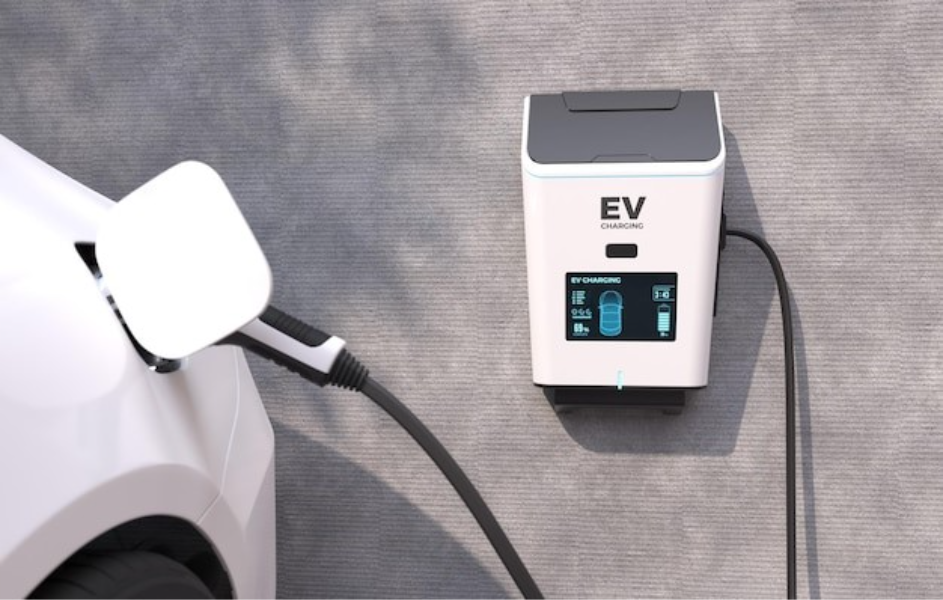
Electric vehicle adoption is increasing steadily across Washington, and Bonney Lake businesses are beginning to adapt to this shift. As more drivers choose electric cars, the need for accessible charging options at commercial locations is becoming an important part of modern infrastructure planning. Mutual Electric NW support this transition by offering electrical services that help businesses prepare for evolving energy needs, including EV charging solutions.
Installing EV chargers is not just about convenience. It is increasingly tied to customer experience, property value, and long-term operational readiness. In Bonney Lake, where commercial development continues to grow, EV infrastructure can influence how businesses attract and retain visitors. This article explores how EV charger installation impacts businesses and what factors should be considered before implementation.
Growing demand for EV charging infrastructure in Bonney Lake
Electric vehicle ownership is rising due to environmental awareness, fuel cost considerations, and advancements in automotive technology. This shift is gradually influencing local infrastructure requirements, including commercial properties in Bonney Lake.
Businesses are noticing that customers expect more sustainable and convenient amenities when choosing where to shop, dine, or work. EV charging availability is becoming one of those expectations.
Some key drivers of this demand include:
Increased adoption of hybrid and electric vehicles in suburban areas
Government incentives supporting EV infrastructure expansion
Workplace charging becoming a competitive advantage for employers
Growth in local commuting distances requiring mid-day charging options
Rising consumer preference for environmentally responsible businesses
For businesses planning electrical upgrades, services such as EV Charger Installation in Bonney Lake are becoming part of long-term facility planning rather than optional enhancements.
How EV charger installation adds value to commercial properties
Installing EV charging stations can positively impact both customer experience and property valuation. While the benefits vary depending on the business type, the overall value proposition is consistent across retail, hospitality, and office environments.
EV chargers contribute value in several ways:
Attracting EV-driving customers who prefer charging availability during visits
Increasing dwell time, which can lead to higher in-store spending
Enhancing brand perception as a forward-thinking business
Supporting tenant retention in commercial rental properties
Improving eligibility for sustainability certifications or incentives
Beyond customer-facing advantages, EV infrastructure can also position a property for future energy integration, including solar or smart grid systems.
Businesses that already invest in infrastructure improvements such as Lighting Installation in Bonney Lake often find EV charging to be a natural next step in modernizing their facilities.
Additional property-level benefits
Increased competitiveness in commercial leasing markets
Better alignment with corporate sustainability goals
Potential for additional revenue through paid charging models
Reduced long-term retrofit costs when installed early
Key considerations before installing EV chargers in business locations
Before installing EV chargers, businesses need to evaluate technical, operational, and regulatory factors. Proper planning ensures safe installation and efficient long-term use.
Important considerations include:
Available electrical capacity and panel load limits
Parking layout and accessibility for charging stations
Expected customer or employee usage patterns
Future scalability for additional chargers
Compliance with local electrical and safety codes
Businesses should also consider how EV charging integrates with existing electrical systems and whether upgrades are required before installation.
Practical planning checklist
Conduct an electrical site assessment
Identify optimal parking spaces for chargers
Evaluate commercial energy demand
Review utility service capacity
Plan for future expansion needs
Understanding these factors early can reduce installation disruptions and improve system performance over time.
Electrical infrastructure requirements and safety compliance
EV charger installation requires careful attention to electrical infrastructure. Commercial properties often need upgrades to support increased load demand, especially when multiple charging stations are installed.
Key infrastructure elements include:
Dedicated electrical circuits for charging stations
Proper load balancing to prevent system overload
Grounding and surge protection systems
Compliance with national and local electrical codes
Adequate panel capacity or transformer upgrades
Safety compliance is essential for protecting both users and property. Installation must follow regulatory standards to ensure reliable and safe operation.
Common compliance requirements
Proper permitting before installation
Certified electrical inspection after setup
Adherence to EV charging installation guidelines
Correct signage and accessibility markings
Professional electrical services, including consultation through Contact Mutual Electric NW, help ensure that installations meet required safety and compliance standards.
Types of EV chargers suitable for businesses
Different business environments require different charging solutions. The choice of charger depends on usage frequency, charging speed requirements, and available electrical capacity.
Common EV charger types include:
Level 1 chargers for low-demand environments
Level 2 chargers for standard commercial use
DC fast chargers for high-traffic or highway-adjacent locations
Each type serves different operational needs and budget considerations.
Comparison of charger types
Level 1 chargers
Slow charging speed
Suitable for overnight workplace charging
Minimal infrastructure requirements
Level 2 chargers
Moderate charging speed
Common in retail and office settings
Balanced installation cost and performance
DC fast chargers
Rapid charging capability
High installation and energy requirements
Ideal for high-traffic commercial zones
Selecting the appropriate charger type ensures efficiency and prevents unnecessary infrastructure expenses.
Cost factors and ROI considerations
The cost of EV charger installation varies depending on equipment type, electrical upgrades, and site conditions. However, many businesses view it as a long-term investment rather than a short-term expense.
Cost considerations include:
Equipment purchase and installation costs
Electrical system upgrades if required
Ongoing maintenance and electricity usage
Potential utility incentives or rebates
Potential return on investment factors
Increased customer traffic and engagement
Longer on-site customer duration
Additional service revenue from paid charging
Enhanced property attractiveness to tenants
Reduced future retrofit costs
Businesses evaluating installation should also consider broader electrical planning, similar to other upgrades such as general system improvements supported by experienced electricians referenced in Choosing Residential Electrician in Bonney Lake WA, which reflects the importance of professional electrical guidance.
Role of professional electricians in installation
EV charger installation is a technical process that requires licensed electrical expertise. Professional electricians ensure systems are installed safely, efficiently, and in compliance with regulations.
Their responsibilities typically include:
Electrical load assessment and system evaluation
Installation of dedicated circuits and hardware
Ensuring compliance with safety standards
Testing and commissioning the charging system
Advising on future scalability options
Why professional installation matters
Reduces risk of electrical hazards
Ensures compliance with building codes
Improves system reliability and performance
Prevents costly installation errors
Supports long-term maintenance efficiency
Working with qualified electrical professionals ensures that businesses avoid operational disruptions and maintain safe infrastructure.
Maintenance and long-term performance
Once installed, EV charging stations require regular maintenance to ensure consistent performance and safety. Proper maintenance extends equipment lifespan and reduces downtime.
Key maintenance practices include:
Regular inspection of cables and connectors
Monitoring electrical load performance
Software updates for smart charging systems
Cleaning and physical upkeep of charging units
Periodic safety testing and compliance checks
Long-term performance considerations
Ensuring compatibility with future EV models
Planning for increased charging demand
Upgrading systems as technology evolves
Monitoring energy efficiency over time
Businesses that integrate EV infrastructure planning early tend to experience smoother upgrades and lower long-term operational costs.
FAQ: EV charger installation for businesses in Bonney Lake
1. Why should businesses consider EV charger installation?
EV chargers help attract more customers, improve property value, and support sustainable business practices.
2. Do all commercial properties need electrical upgrades for EV chargers?
Not always. It depends on existing electrical capacity, but many sites require some level of assessment or upgrade.
3. How long does installation usually take?
Installation timelines vary depending on system complexity, but most commercial projects require planning, permitting, and inspection phases.
4. Can EV chargers increase business revenue?
Yes, businesses can generate revenue through paid charging services while also benefiting from increased customer visits.
5. Is maintenance required after installation?
Yes, regular inspections and servicing are necessary to ensure safety and long-term performance.
6. Who should install EV charging stations?
Licensed electricians with commercial experience should handle installation to ensure compliance and safety.